

On Constant Hustle, and What It Leaves Behind
I often notice the signs of constant hustle in small, ordinary moments. Someone checks their phone while the coffee pours, refreshes a screen while a document loads, or sits down after a long day and finds that their body no longer knows how to settle. It is rarely burnout that appears first, more often, it is a quiet readiness. The mind stays switched on even when nothing needs attention. This is how constant hustle usually takes shape: not dramatic overwork, but a continuous, low-level engagement that becomes easy to overlook.
When this mode goes on for too long, it starts to change how rest feels. Slowing down becomes unfamiliar. Stillness feels unproductive. The body remains alert because it has practised alertness more often than recovery. Even what looks like a break can turn into more stimulation. A quick scroll, a check-in or a glance at notifications provides tiny bursts of novelty. These moments give just enough dopamine to keep the mind occupied but not enough to let the system reset. People step away from work but return without feeling restored.
As a psychologist, I see this most clearly when people speak about sleep. Many of them describe lying in bed exhausted but still mentally active. Sleep becomes light or easily disrupted. The same vigilance that keeps them responsive during the day follows them into the night. Over time, this erodes the boundary between motivation and fatigue. Starting meaningful work feels heavier, and attention drifts not because of disinterest, but because the system has been stretched for too long. Avoidance slowly becomes the only pause the body recognises.
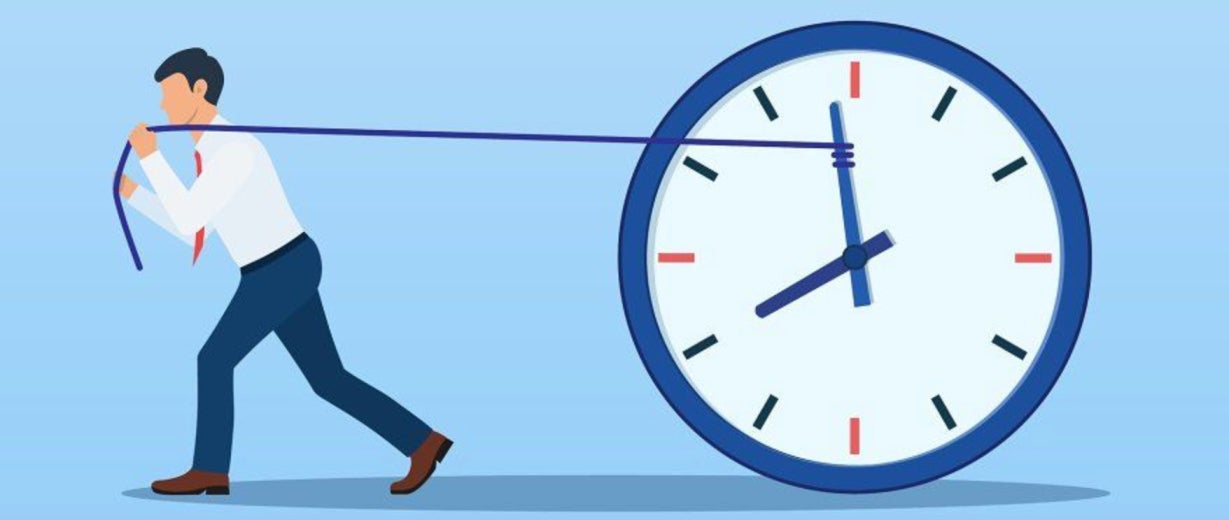
Changing this pattern is not about increasing effort. It is about giving the nervous system the experience of a dopamine reset so it can return to a calmer baseline. Small practices can help reintroduce this reset into daily life. Morning sunlight steadies circadian rhythms and reduces nighttime mental overactivity. Cold exposure, even a brief cold shower, produces a clean rise in dopamine followed by steadier focus. Yoga nidra and other deep-rest practices help the body enter recovery more fully, sometimes more deeply than a short nap. Simple breath-led transitions between tasks can gently teach the system that shifting out of constant readiness is safe.
As the year comes to a close, it can be useful to look at personal rhythms with honesty rather than judgement. Where does the day move without pause? Which breaks genuinely restore energy and which simply fill space? When work is delayed, is it a lack of motivation or a sign of accumulated fatigue? And at night, what reveals that the mind is still active long after the body wants to stop?
Once these patterns are noticed, small shifts tend to follow. Pauses become more intentional. Transitions feel clearer. Recovery begins to support work rather than compete with it. This is not about reducing ambition. It is about protecting the capacity to pursue what matters with steadiness and clarity.
As the new year begins, carrying this awareness forward can make effort feel more deliberate and far less draining. Sometimes, the simple act of allowing a dopamine reset is enough to change the rhythm.
Loved this article?
Hit the like button
Share this article
Spread the knowledge